Operating buildings involves complex statutory, regulatory and operational responsibilities. RCRProjects provides independent Building Regulatory & Compliance Auditing to help clients understand whether their buildings, systems and processes are being managed safely, effectively and in line with required standards.
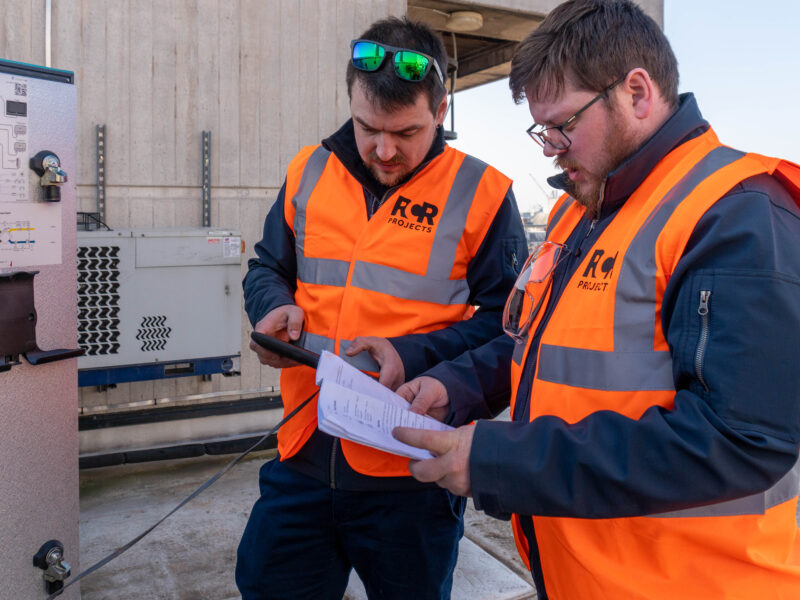
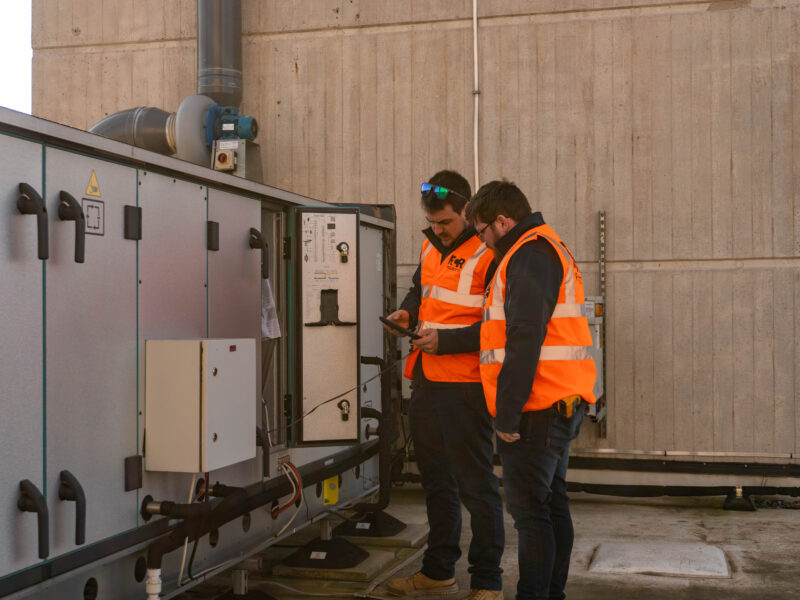
Through our Review > Advise > Support approach, we review existing documentation, compliance records, operational processes and building systems. We liaise with technicians, facilities teams, building operators and key stakeholders, supported by on-site inspections where required. This provides a clear, evidence-based assessment of current compliance performance.
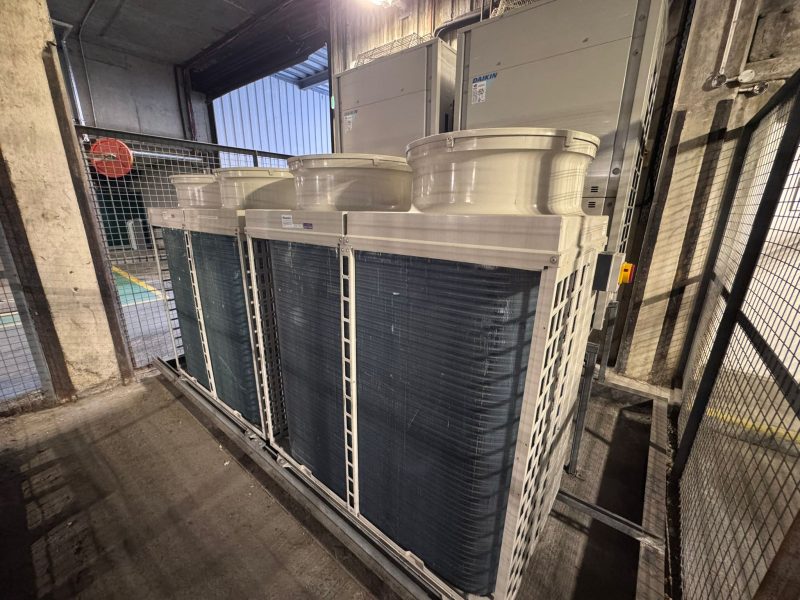
RCRProjects audits are tailored to each client, asset and operational environment. The building’s risk profile defines the scope, which typically covers statutory compliance, engineering systems, operational processes and asset performance. Reviews may include mechanical, electrical and public health systems, ventilation, accessibility and energy performance. They also assess life safety systems, building records, maintenance regimes and wider regulatory compliance obligations.
Using a purpose-built RCRProjects audit format, we assess compliance delivery against agreed client priorities and weightings. This creates a clear, measurable picture of where performance is strong, where risks exist, and where processes or service delivery may be falling short.
The resulting report provides practical recommendations and a prioritised action plan to address areas of concern, improve compliance management and support informed decision making. Where required, we undertake periodic re-audits to measure progress, demonstrate improvement and identify any further areas requiring attention.
By providing independent technical review and clear advice, RCRProjects helps clients establish greater control over compliance, reduce risk, improve supplier accountability and support buildings that are safe, sustainable and affordable.

Our technical solutions include:
- Asset Data & Information Management
- CAFM & Digital Systems
- Lifecycle Planning & Investment Strategies
- Estate Data Assurance